Stop Screaming
Why some horror franchises should stop the second the creator is gone

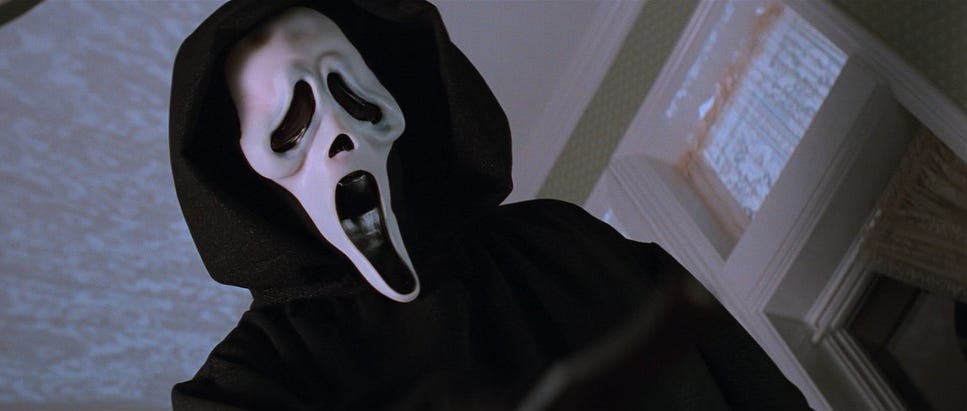
There is a particular kind of horror that does not come from a knife, or a mask, or a phone call. It comes from watching a franchise keep walking after the soul has left the body.
You know the feeling. The credits roll and you realize you did not just watch a sequel, you watched a brand management meeting dressed up as a movie. The logo is the same. The catchphrases are the same. The score tries to hit the same emotional beats. The marketing wants you to feel safe, like you are returning to a familiar house. But the house is different. The rooms are rearranged. The mirrors are covered.
That is what it feels like when horror franchises continue without their original creators, and right now, I cannot stop thinking about Scream.
Because yes, they are still making Scream movies without Wes Craven.
And they should not.
Wes Craven was not a director for hire on Scream
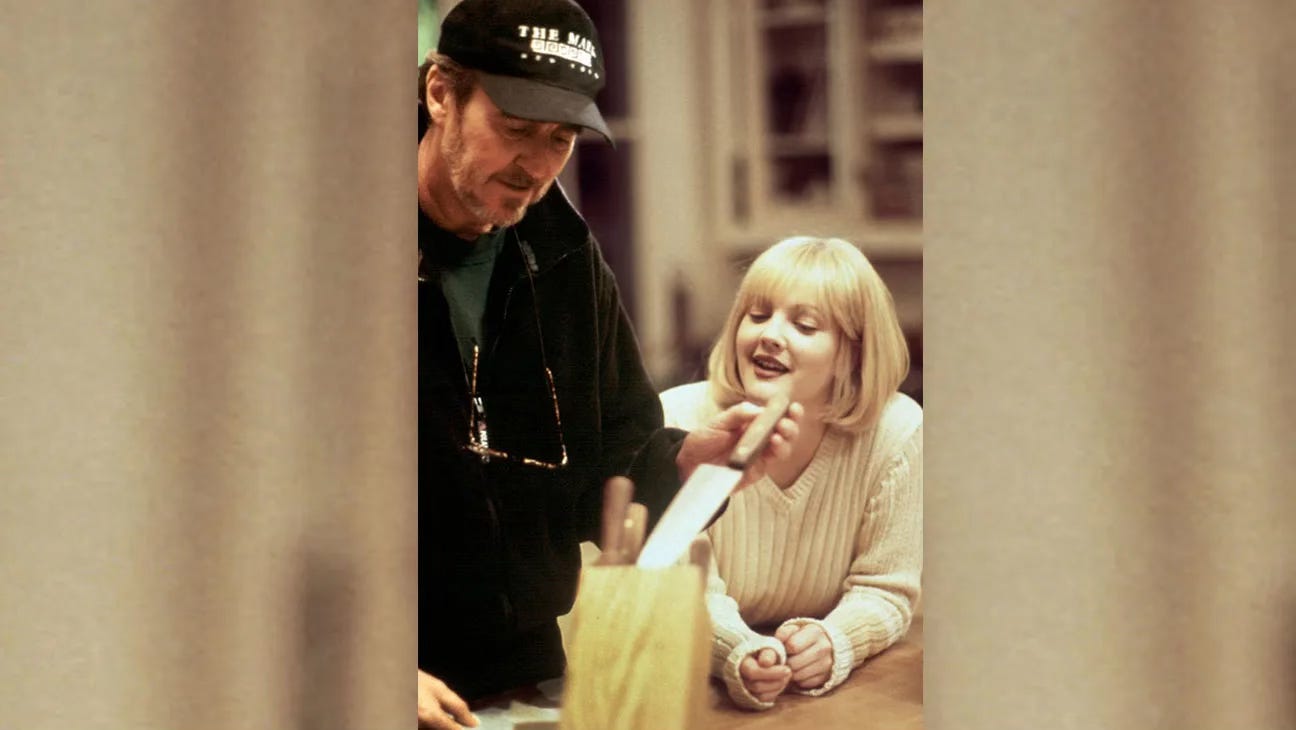
People love to reduce the origin story of Scream down to a clean, tidy fact: Kevin Williamson wrote it.
True. Respect. That script is a lightning bolt.
But Scream was never just the script.
It was the marriage of Williamson’s pop culture blade and Wes Craven’s understanding of fear as character, fear as trauma, fear as consequence. Wes was the adult in the room who still loved the genre enough to treat it like it mattered. He gave the satire teeth.
Wes understood that Scream could be playful without being disposable, and brutal without being hollow. That balance is the franchise. When you continue Scream without Wes Craven, you are continuing an instrument without the musician who knew how to make it sing. And the worst part is that you can tell.
Because the franchise starts chasing what it thinks Scream is, instead of what Scream actually was, which was new.
The vision was never Ghostface, it was the Final Girl
Here is what people forget, or pretend to forget because masks sell merch:
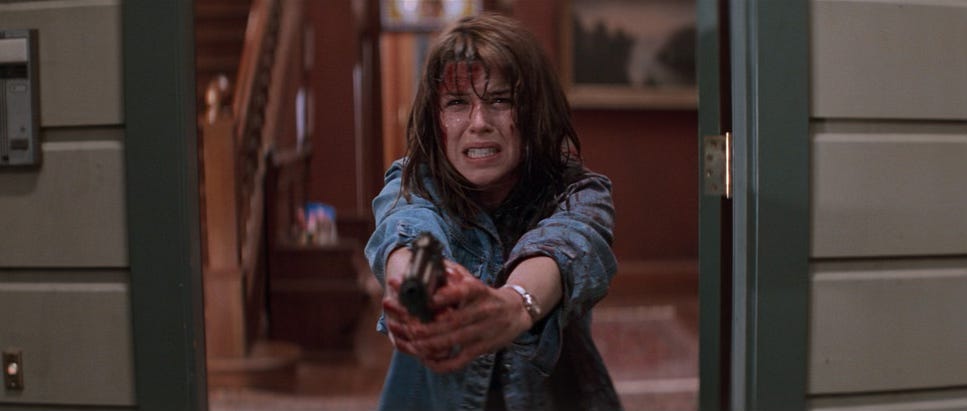
Wes Craven’s Scream films are about Sidney Prescott.
Not in a shallow, “she is the protagonist” way. In a structural way. In a thematic way. In a moral way. Most slashers, especially the ones that became franchises, slowly tilt toward the antagonist. The killer becomes the mascot. The Final Girl becomes interchangeable.
Wes did something different. He made the “Final Girl” the spine. Sidney is not a trophy you drag across sequels. She is the reason the sequels have meaning at all. She is the emotional continuity. She is the argument Scream makes about surviving violence, surviving fame, surviving obsession, surviving the way people turn trauma into entertainment.
When Scream is functioning at its best, Ghostface is not the star. Sidney is. So if you make Scream movies without Wes and without Sidney, what are you actually making?
A slasher with a familiar mask? A cover band with no lead singer? A franchise wearing Scream’s skin? Is this Fortnite?
The problem is not that stories cannot evolve
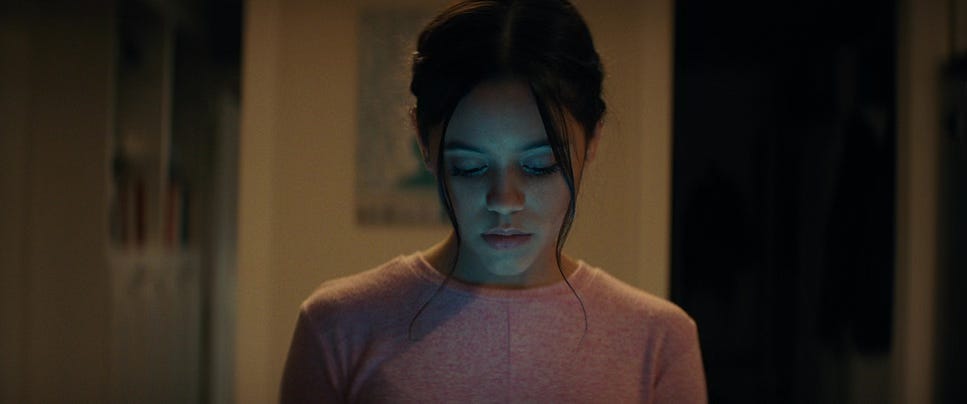
Before someone jumps in with the franchise defense, let me say it clearly. I am not allergic to evolution. Horror franchises can grow. They can shift focus. But there is a difference between evolution and replacement.
Evolution upholds the core narrative promise. Replacement keeps the iconography and discards the thesis. And the thesis of Scream is not “people get stabbed while quoting movies.” The thesis is the Final Girl fights back, survives, and refuses to become a product.
The thesis is: you do not get to own her story. (see: Stab)
So when the franchise continues while stripping away the very character who embodied that thesis, it’s gross. It is the most cynical thing a meta horror franchise can do, because it proves the villains right. It turns a story about surviving exploitation into a product that exploits its own identity.
Kevin Williamson being involved does not fix the rot

This is the part that breaks my brain a little, because people keep using Kevin Williamson’s name like a protective charm. As if the presence of the original writer automatically means the spirit is intact.
But again, Scream is more than the original script. It is more than dialogue. More than structure. More than killer reveals.
It is a worldview.
And even if Kevin is involved with Scream 7, the conversation around it already feels tarnished, because the franchise is now operating in a space where the legacy components feel negotiable. Like they are bargaining chips instead of sacred pillars.
When the creative conversation becomes “how do we keep the machine running,” instead of “what is the story we are ethically responsible for telling,” the damage is already done. You can feel it as an audience. You can feel the shift from storytelling to franchise maintenance.
And once that shift happens, even genuine involvement from original creators starts to feel like a patch on a cracked mask.
Not a restoration.
So what should happen
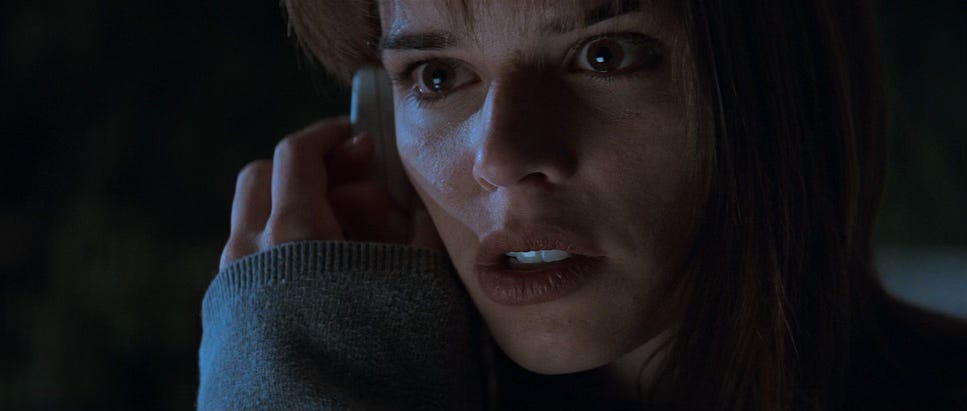
If the franchise cannot center Sidney, if it cannot honor the Final Girl thesis, if it cannot operate with Wes Craven’s understanding of what the story is actually about, then maybe it should do the thing Hollywood hates most.
Stop.
Let it end.
Let it be a finished body of work instead of a zombie that keeps coming back because the box office says it can still walk.
And if they insist on continuing anyway, then at the bare minimum, they need to be honest about what they are making.
Not “the next chapter.” Not “a return.” Not “a reinvention.” Just the truth.
A Scream movie without Wes Craven and without Sidney Prescott is not a continuation of the vision. It is a different franchise borrowing a name.
And Ghostface, of all characters, would absolutely understand that.
Lastly:
#freepalestine
yes to all of this
You said it man